
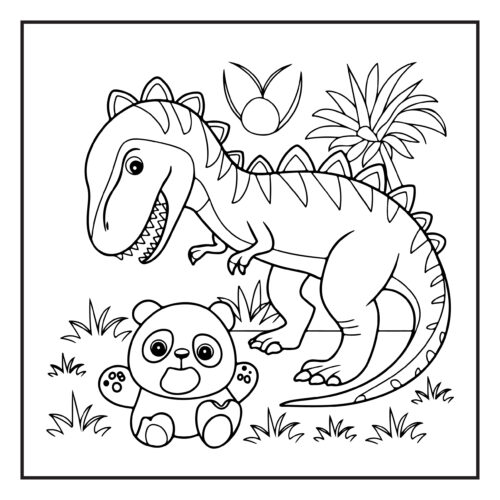
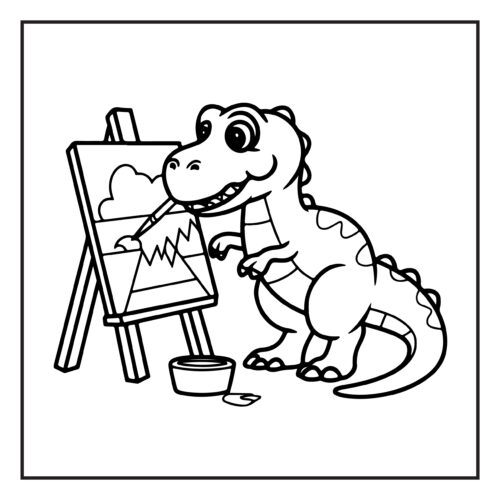
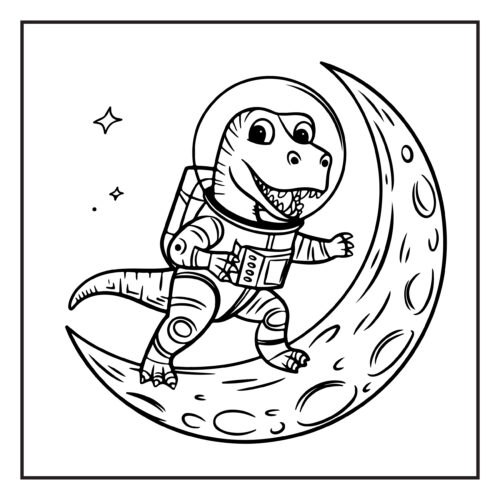
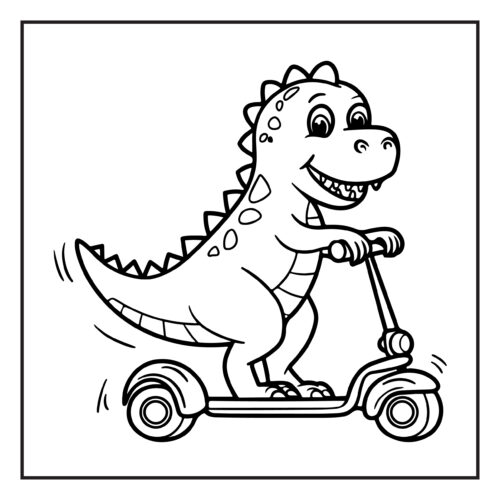
Dinosaurs have sharp teeth and long tails that make exciting prehistoric themes for children to color. Ancient creatures give kids history subjects to work with. Prehistoric animal subjects work for different skill levels. Young kids handle basic dinosaur shapes. Older children add details like volcanic landscapes, dinosaur habitats, and fossil backgrounds.
How Dinosaur Coloring Helps Kids
Dinosaurs fascinate kids because these giant animals lived millions of years ago and came in many different sizes and shapes. Children build hand control when they color detailed scales and powerful body features. Different dinosaur images teach prehistoric life and scientific concepts. Learning about ancient history and paleontology happens while they work on dinosaur pictures.
Dinosaur coloring pages keep kids occupied for hours. Any coloring supplies work with dinosaur pictures. Prehistoric themes work for different ages. Toddlers practice basic body shapes and simple dinosaur outlines. Older children create ancient landscapes with multiple dinosaurs and prehistoric backgrounds.
How to Get Started
To download any of the printables below is as easy as 1-2-3:
- Download: Choose the printable design that resonates with you. Click on the image.
- Print: The PDF file will automatically open. Print the PDF file on your printer.
- Start creating and/or using the PDF printable. Enjoy! Each PDF download is created for standard US letter size; however, they also fit perfectly onto A4 paper sizes.
Let’s start coloring!
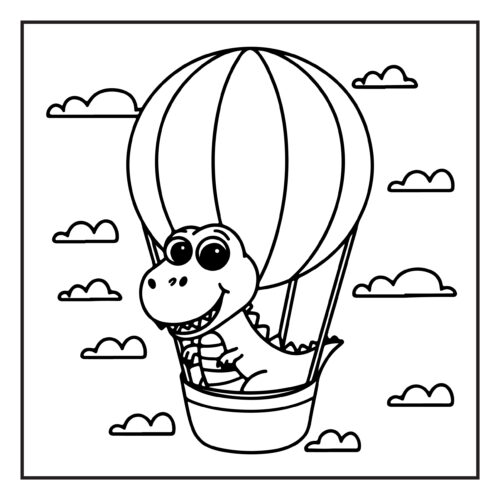
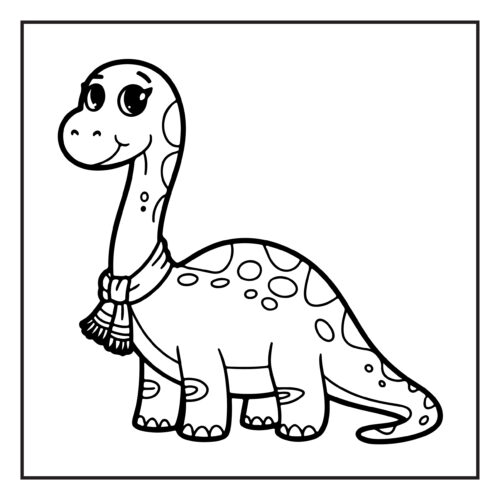
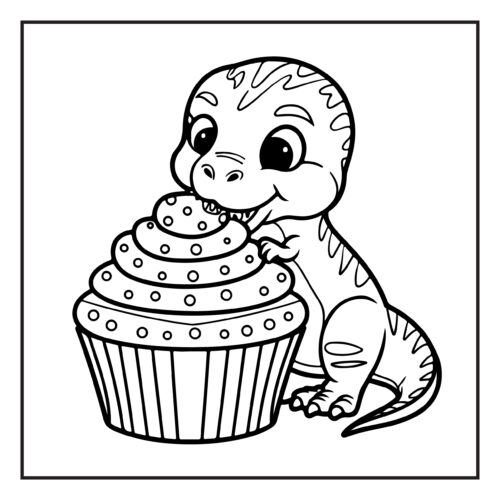
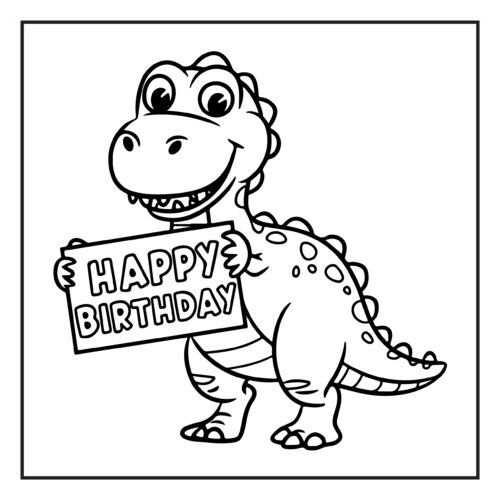
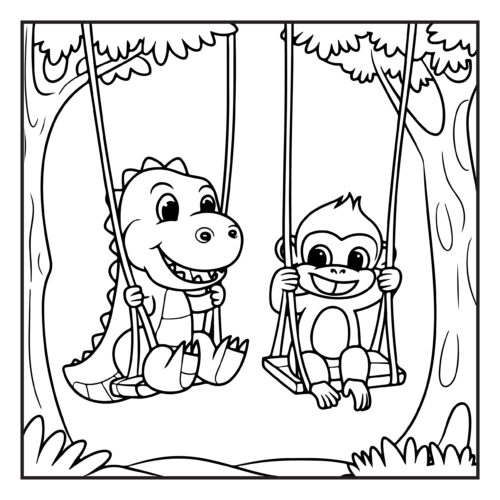
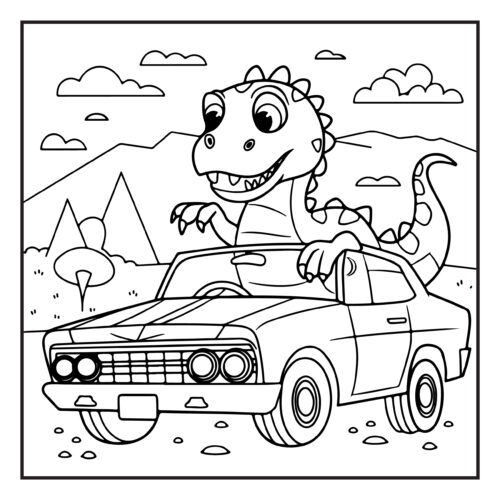
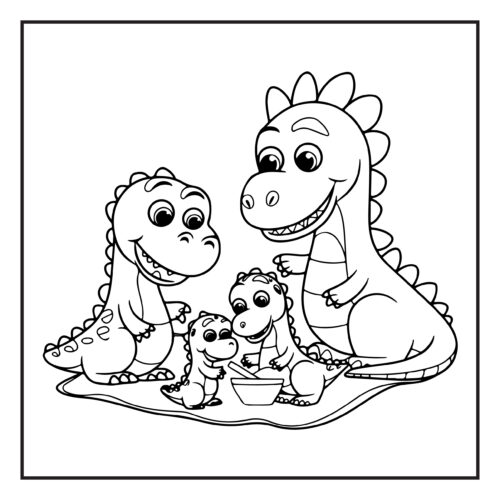
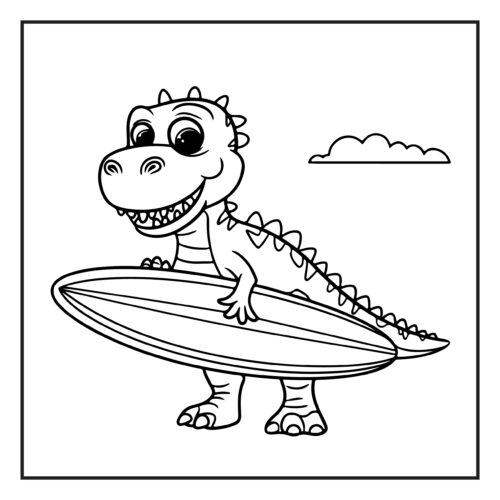
While you’re here, grab our cute Giraffe coloring pages!
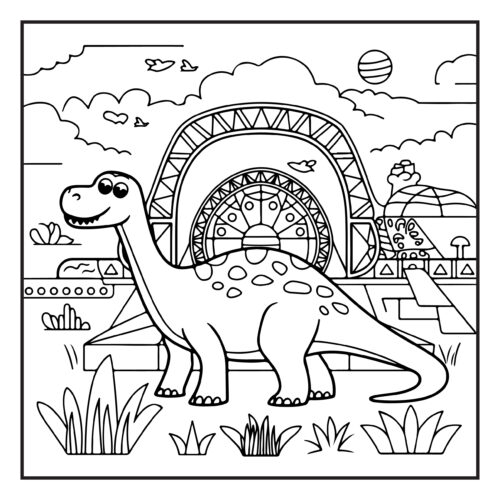

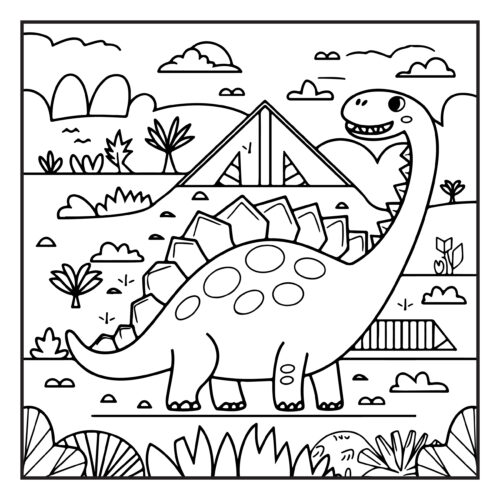
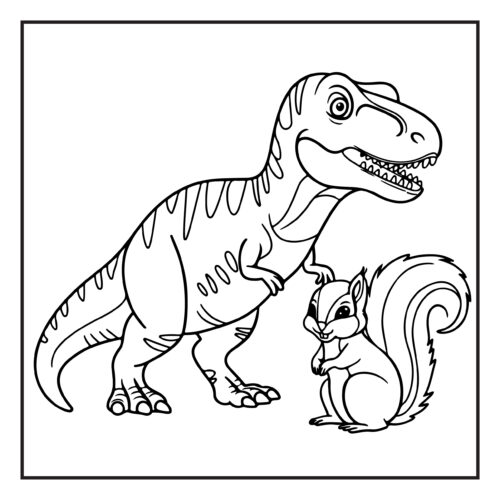
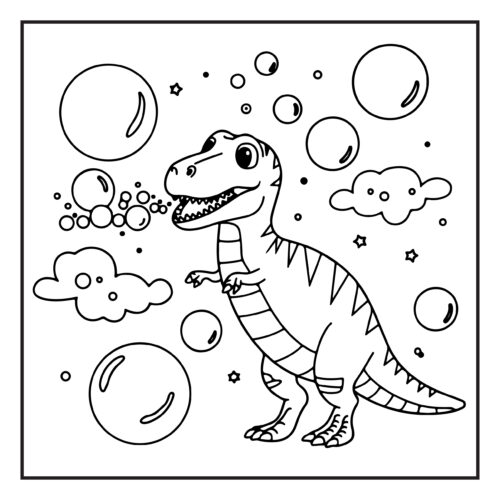
Before you go, grab our cute Elephant coloring pages!
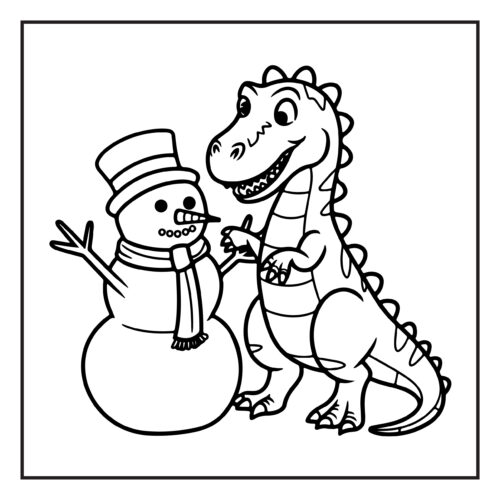
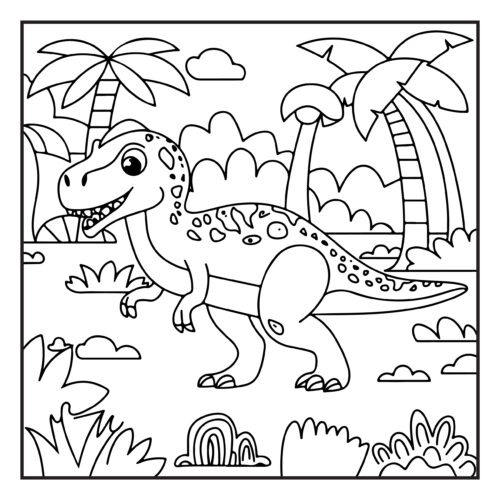
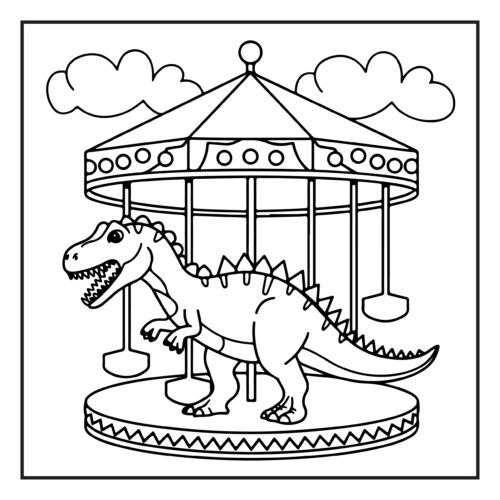
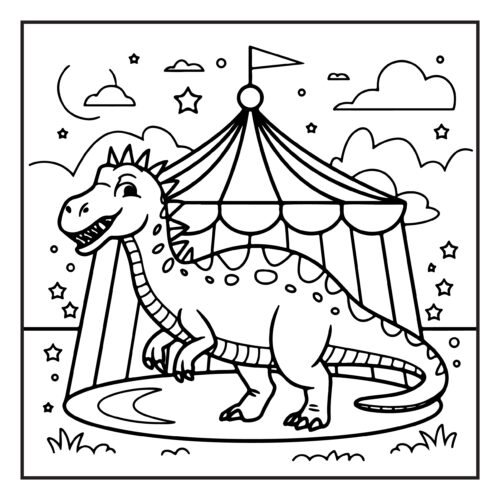
While you’re here, grab our cute Jungle Animal coloring pages!
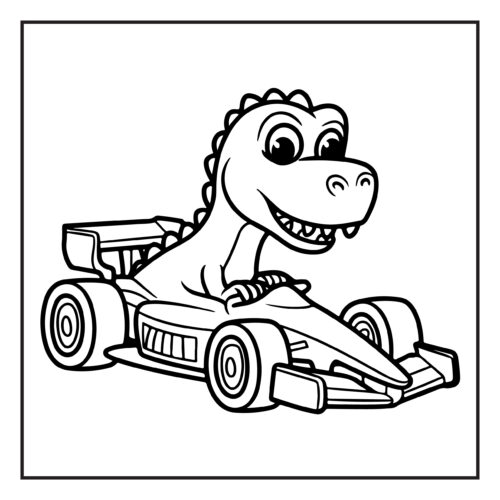
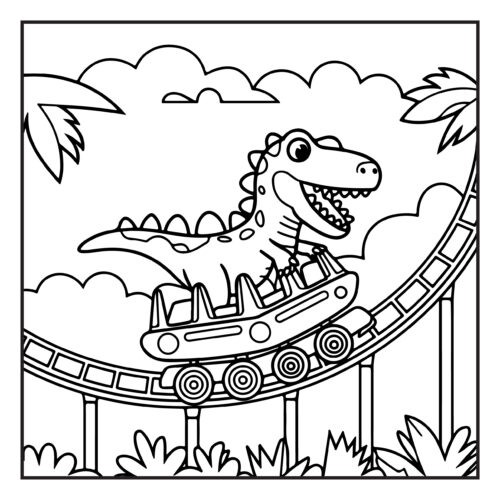
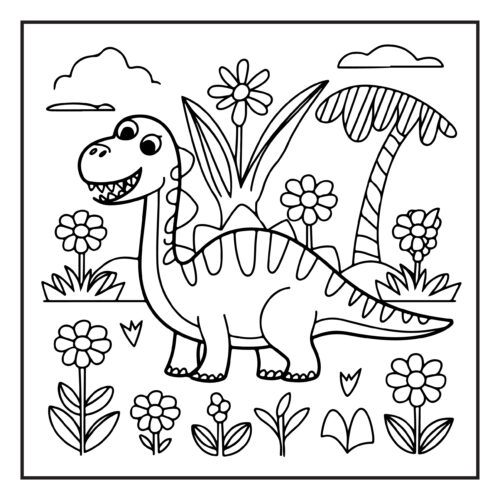
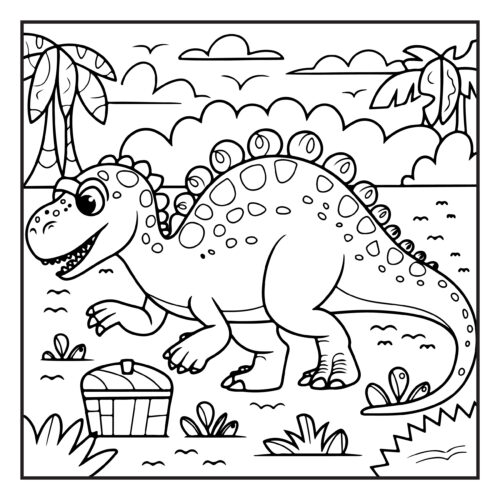
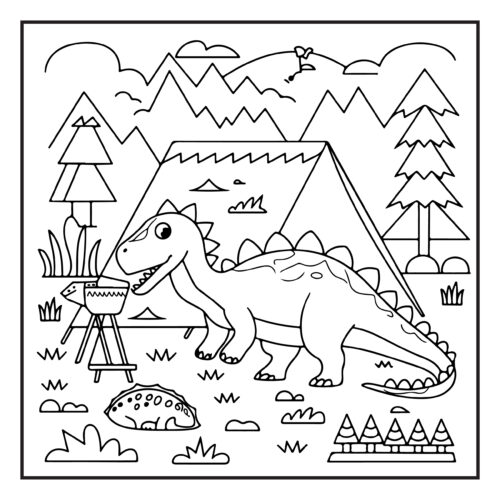
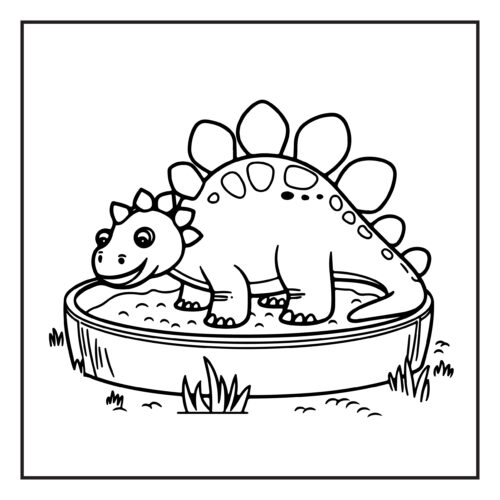
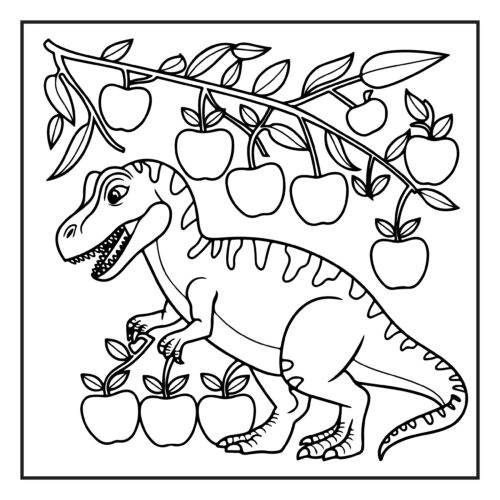
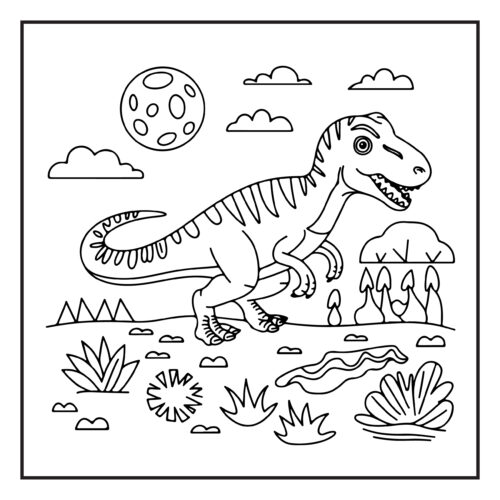
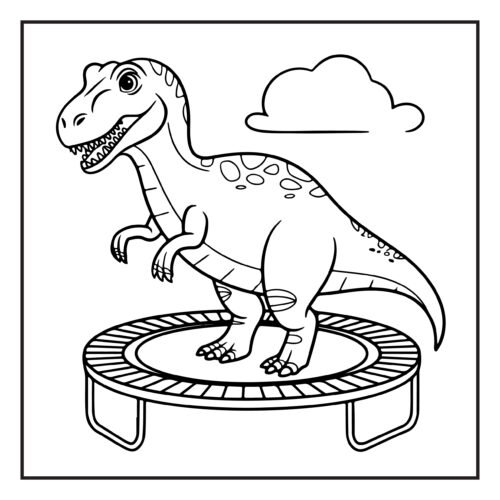
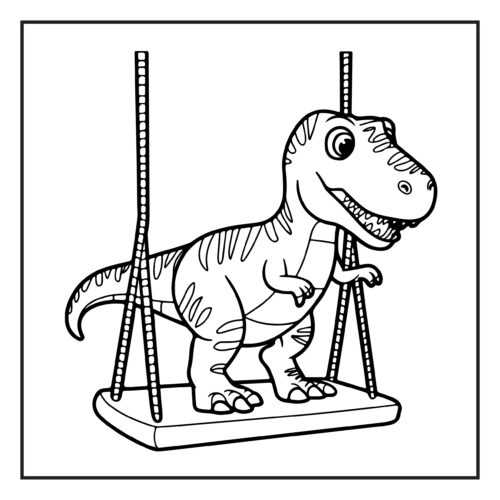
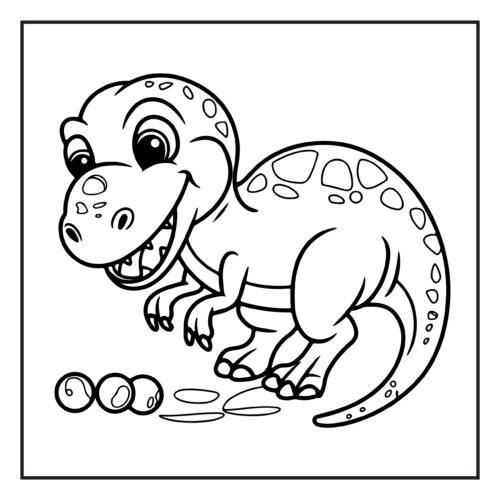
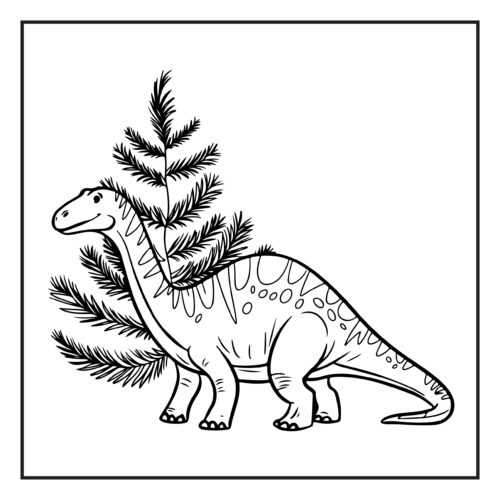
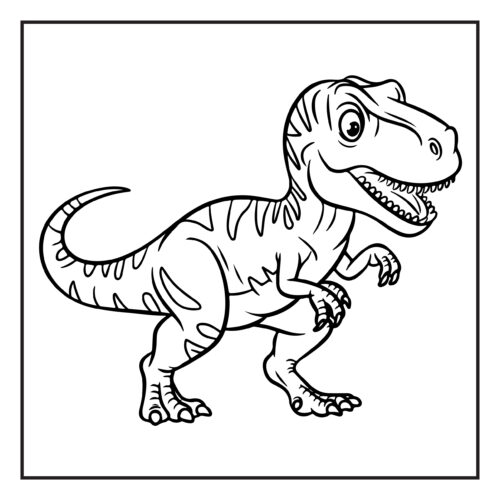
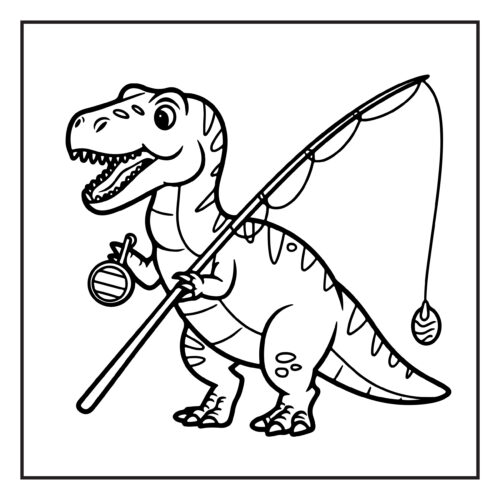
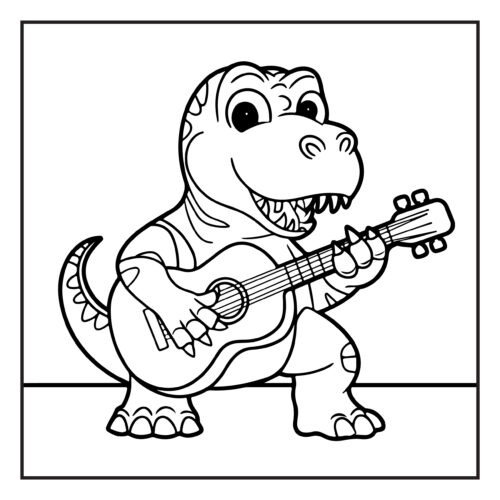
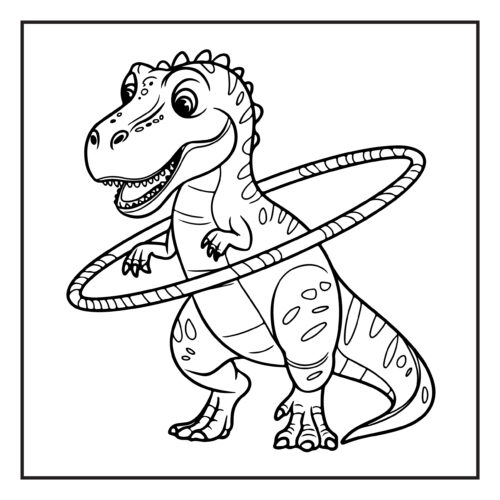

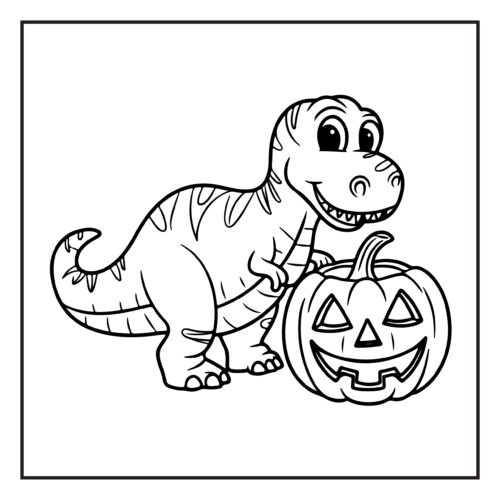
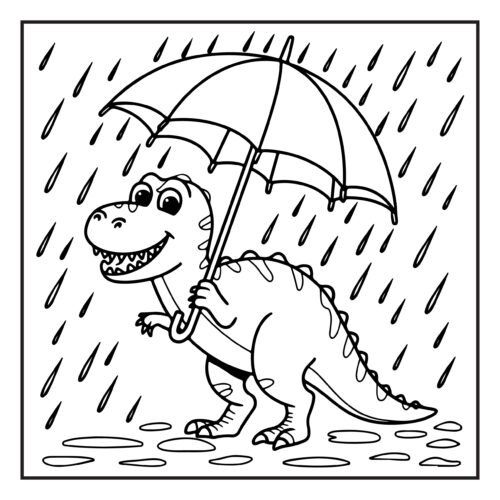
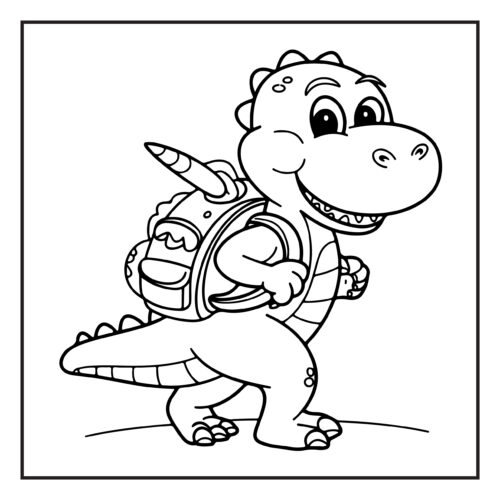
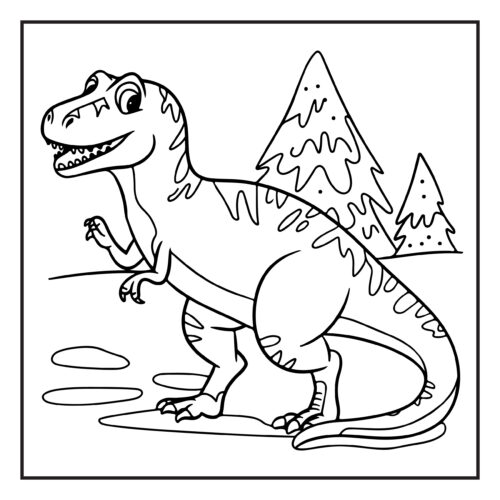
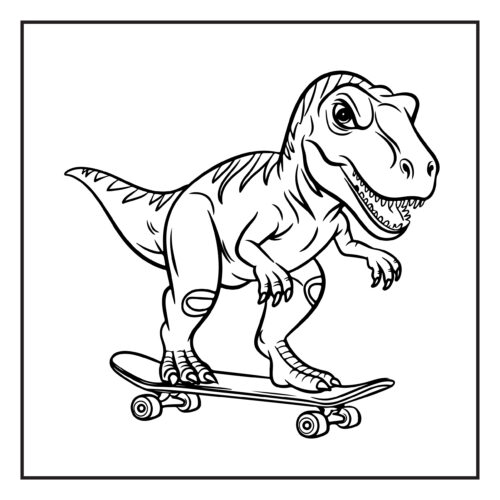
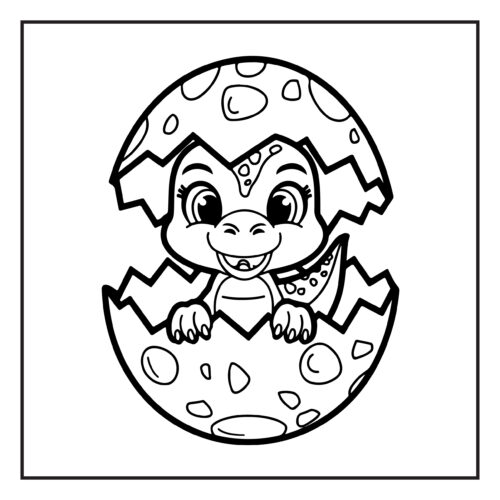
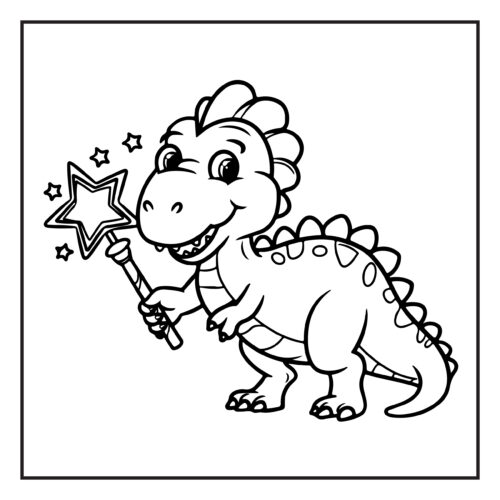
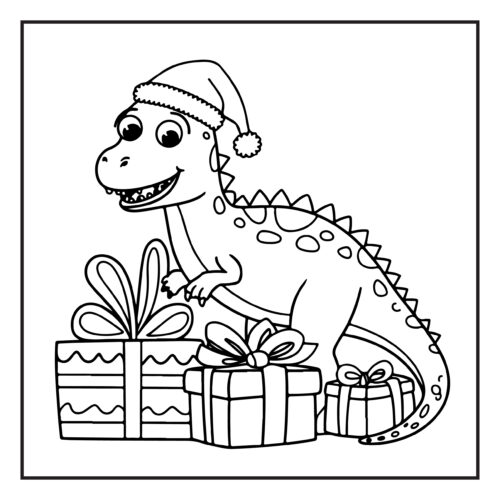
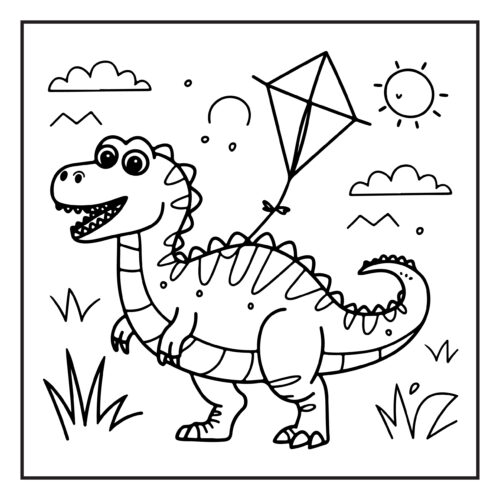
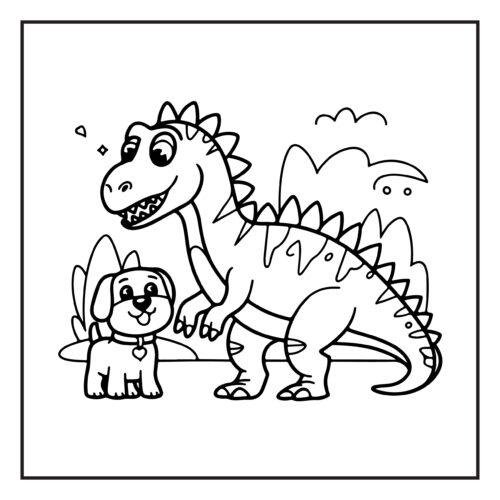
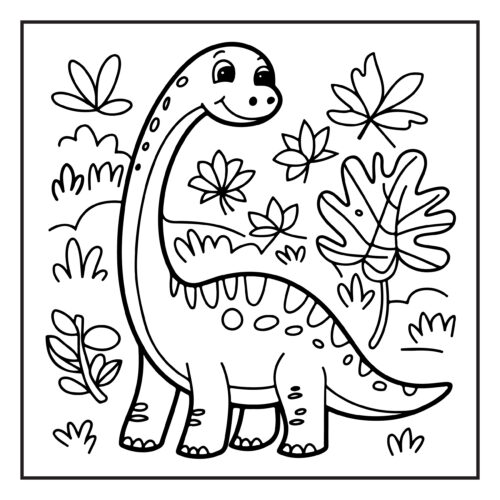
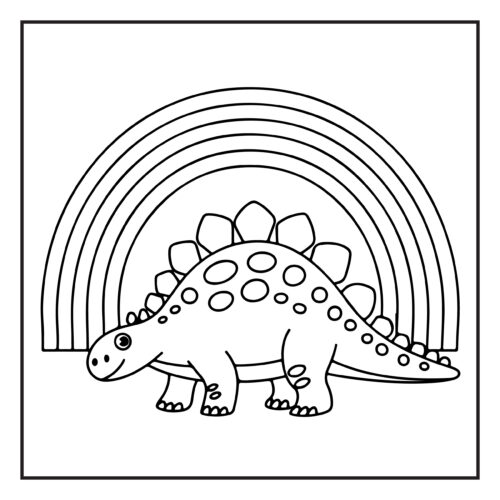
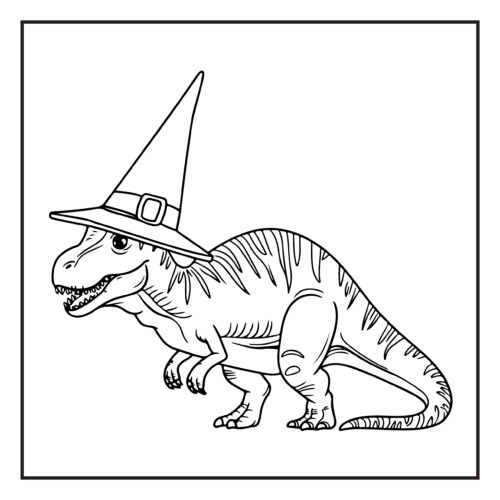
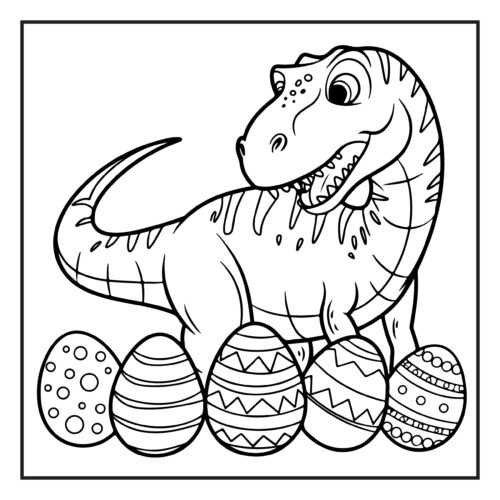
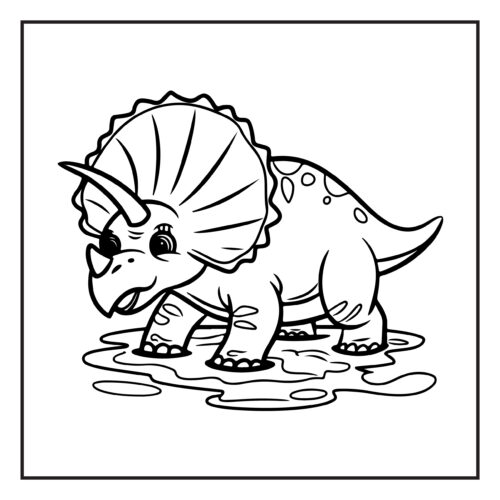
Ways to Use Dinosaur Coloring Pages
Party Station Setup
Free Printable Dinosaur coloring pages work at prehistoric-themed birthday parties and adventure celebrations. Set out green and brown colors for dinosaur skin and ancient landscapes. Add orange and red for volcanic effects. Kids color dinosaurs while waiting for party games or during adventure story breaks. They take finished pictures home as party favors. This keeps children calm during busy prehistoric party moments.
Parents create ancient world stations at parties using colored pages. Each child colors different dinosaur types including T-Rex, Triceratops, and long-neck dinosaurs. Then they make dinosaur roars while showing their finished dinosaur work. This prehistoric play teaches kids about ancient animals while using their finished dinosaur coloring pages as part of the adventure display.
Educational Uses
Teachers use dinosaur coloring pages during lessons about prehistoric life and earth history. Students learn about dinosaur fossils and ancient environments while they color different dinosaur species. Science classes include them when studying paleontology and geological time periods. History lessons discuss how scientists learn about dinosaurs while kids work on their prehistoric pictures.
Fossil units pair coloring activities with talks about dinosaur discovery and scientific research. Kids learn how dinosaurs became fossils and why scientists study ancient bones to understand prehistoric life. Some classes make dinosaur research books using their finished dinosaur pages as examples of prehistoric creatures and scientific learning.
Creative Crafting
Dinosaur coloring pages become prehistoric crafts around the house. Cut out finished dinosaur designs and create ancient world displays on bedroom walls or study areas. Frame completed pages to make adventure decorations for playrooms or learning spaces. Fold colored dinosaur pages to make prehistoric story books or fossil identification cards for educational activities.
Use completed dinosaur pictures as patterns for science projects or prehistoric activities. The powerful designs work for paleontology studies or ancient history displays. Some kids make whole prehistoric scenes using their colored dinosaurs along with construction paper volcanoes and ancient plant backgrounds. Display dinosaur pictures where children can learn about prehistoric life during science study periods.
Family Time
Parents and kids work on dinosaur coloring pages together during museum preparation time or educational documentary viewing. Adults help with scale details while children practice coloring skills and prehistoric vocabulary. Grandparents enjoy supporting grandchildren through ancient history learning while sharing adventure stories. Everyone works at their own pace without pressure.
Kitchen table activities become paleontology learning time while families talk about dinosaurs, fossil hunting, and scientific discovery. Kids ask questions about dinosaurs while they work on their tooth patterns and body shapes. Parents share information about how dinosaurs lived long ago and why scientists study fossils to learn about ancient animals. This makes natural conversations about scientific research and prehistoric life.
Artistic Freedom
Dinosaur coloring pages teach children about prehistoric animals while allowing creative choices with dinosaur colors and ancient details. Children can choose realistic green and brown dinosaurs or create colorful prehistoric creatures with unusual patterns and bright skin. Some add extra ancient elements around the dinosaurs after completing the basic design. Others create volcanic backgrounds using creative colors and prehistoric settings. This builds confidence in both artistic skills and scientific interest.
Older kids work on complex dinosaur designs with detailed anatomical features and realistic prehistoric interactions. Younger children focus on simple dinosaur shapes with basic ancient settings. Both approaches help develop fine motor skills and scientific curiosity through exciting prehistoric themes that connect to paleontology education.
Theme Activities
Dinosaur coloring pages fit school activities throughout the learning year. Paleontology studies units use them when discussing fossil discovery and prehistoric research. Science education programs include dinosaur coloring when combining earth history with artistic activities. Museum field trips often feature dinosaur projects because they connect classroom learning with real fossil exhibits and scientific discovery.
Science programs use dinosaur coloring pages during geology study units because prehistoric animals demonstrate important concepts like evolution, extinction, and fossil formation. The combination of science education and art helps children understand earth history through engaging prehistoric themes.
Getting Started
Start with simple dinosaur outlines that feature clear body shapes before trying complex pages with multiple prehistoric elements and detailed ancient environments. Keep green, brown, and earth tone colors easily available for realistic dinosaur coloring. Natural prehistoric colors work best for ancient themes. Regular crayons, colored pencils, or markers handle the job without special supplies.
Keep finished dinosaur pages flat in folders so the prehistoric artwork stays neat and usable for displays or paleontology study reference. Play adventure music or nature sounds while working to create an ancient world coloring atmosphere. Share information about dinosaur facts and why scientists study fossils to learn about animals that lived millions of years ago.
Remember that dinosaur coloring pages work for any skill level when you choose appropriate design complexity for each child. Simple dinosaur shapes with basic prehistoric settings work for beginners learning about ancient animals and scientific discovery. Complex ancient landscape scenes with detailed dinosaurs and prehistoric environments challenge kids who want advanced paleontology and artistic practice.
Dinosaur coloring pages mix prehistoric education with artistic skill development in ways children understand and enjoy. These ancient subjects build fine motor control and scientific interest while teaching about earth history and paleontology research. Whether used for parties, school lessons, or family time, dinosaur coloring pages give both creative and educational value that connects kids to prehistoric life and scientific discovery.