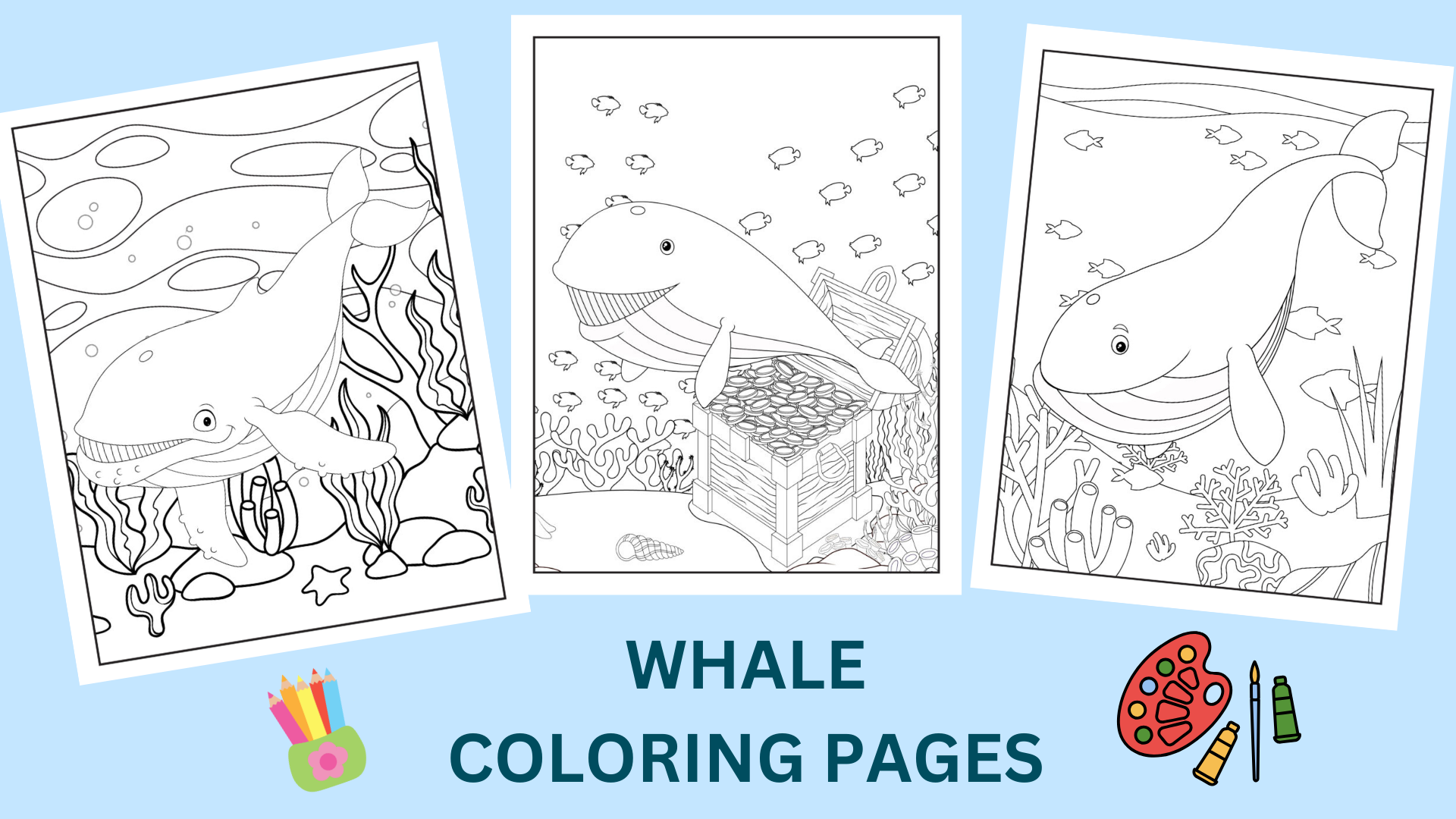
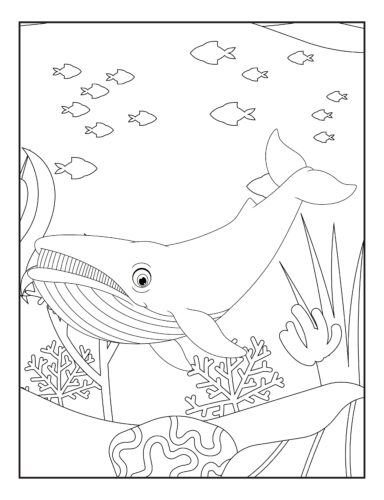
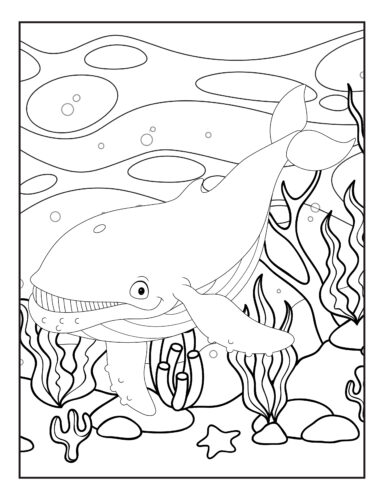
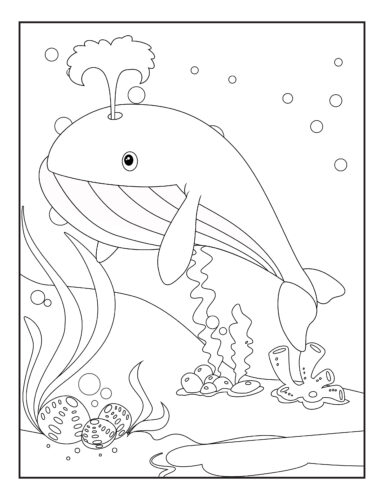
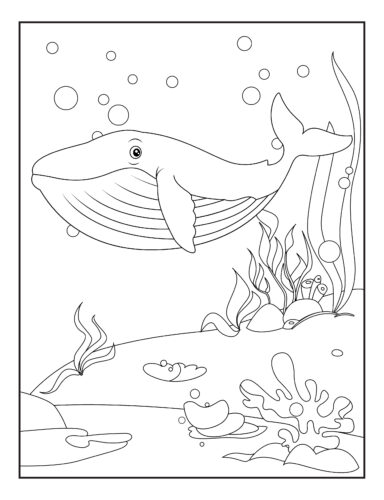
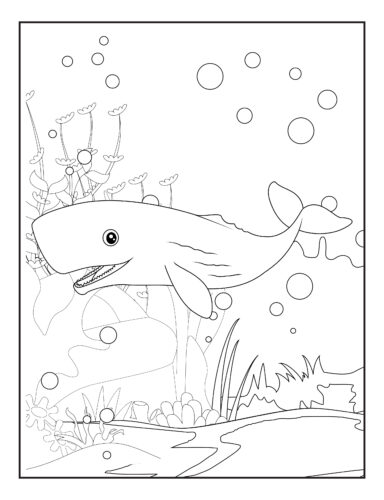
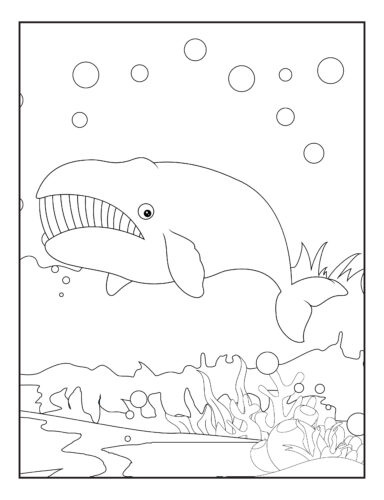
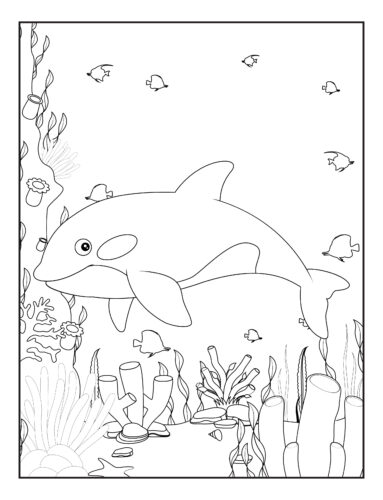
Whales have large bodies and curved tails that make impressive subjects for children to color. Ocean animals give kids underwater themes to work with. Marine subjects work for different skill levels. Young kids handle simple whale shapes. Older children add details like water spouts, ocean waves, and other sea creatures.
Benefits of Whale Coloring Activities
Whales make kids wonder about the ocean because these animals are bigger than any land animal. Children build hand control when they color large whale bodies and flowing tail fins. Different whale shapes teach curves and size concepts. Learning about ocean life and marine habitats happens while they work on whale pictures.
Whale coloring pages cost little money but keep kids busy for hours. Any coloring supplies work with whale pictures. Ocean themes work for different ages. Toddlers practice big shapes and simple lines. Older children create underwater scenes with multiple sea animals and ocean backgrounds.
How to Get Started
To download any of the printables below is as easy as 1-2-3:
- Download: Choose the printable design that resonates with you. Click on the image.
- Print: The PDF file will automatically open. Print the PDF file on your printer.
- Start creating and/or using the PDF printable. Enjoy! Each PDF download is created for standard US letter size; however, they also fit perfectly onto A4 paper sizes.
Let’s start coloring!
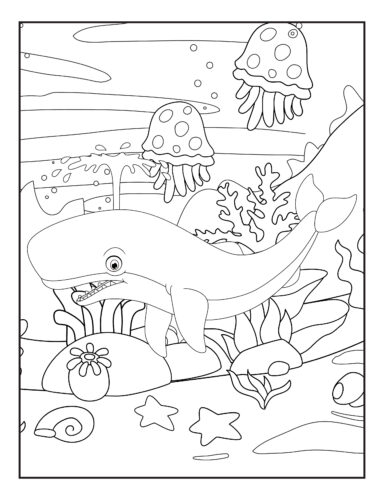
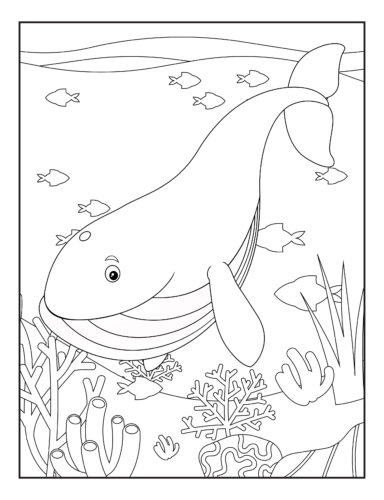
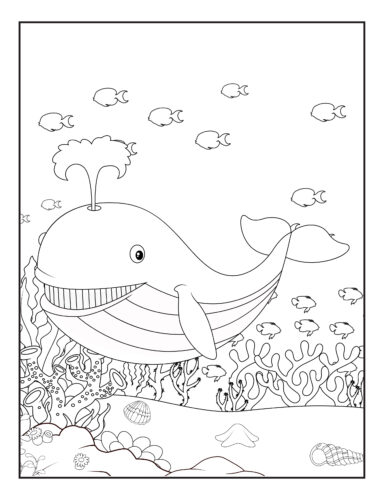
While you’re here, grab our cute Starfish coloring pages!
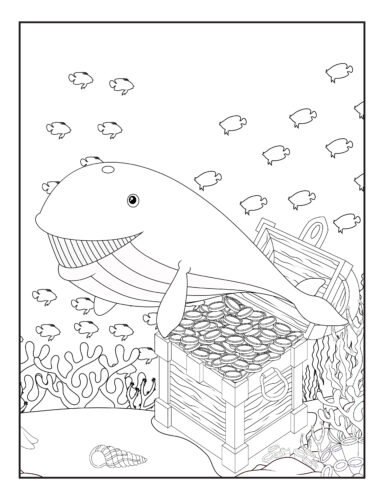
Before you go, grab our cute JellyFish coloring pages!
Creative Uses for Whale Coloring Pages
Party Entertainment
Whale coloring pages work at ocean-themed birthday parties and summer celebrations. Set out blue and gray crayons for whale bodies and ocean water. Add white for water spouts and foam effects. Kids color whales while waiting for party games or during snack breaks. They take finished pictures home as party favors. This keeps children calm during busy party moments.
Parents create underwater worlds at parties using colored pages. Each child colors different ocean animals including whales. Then they make pretend aquariums and share facts about their favorite sea creatures. This ocean play teaches kids about marine life while using their finished whale coloring pages as part of the underwater display.
Teaching with Coloring
Teachers use whale coloring pages during science lessons about ocean animals and marine ecosystems. Students learn about whale migration and feeding habits while they color different whale types. Geography classes include them when studying oceans and coastal regions. Biology lessons discuss mammal characteristics and whale behavior while kids color their ocean pictures.
Marine science units pair whale coloring with talks about ocean conservation and whale protection. Kids learn about whale songs, pod behavior, and why these animals need clean oceans. Some classes make ocean animal books using their colored whale pages as covers or illustrations for different marine species.
Home Craft Projects
Whale coloring pages become ocean crafts around the house. Cut out finished whales and create underwater displays on bedroom walls. Frame completed pages to make marine decorations for bathrooms or playrooms. Fold colored whale pages to make ocean story books or marine animal cards for learning games.
Use finished whale pictures as patterns for ocean science projects or marine experiments. The large shapes work for whale size comparison activities or ocean habitat displays. Some kids make whole underwater scenes using their colored whales along with blue paper waves and tissue paper seaweed. Tape whale pictures to windows where sunlight makes the ocean colors look bright.
Family Time
Parents and kids color whale pages together during quiet family time or beach vacation planning. Adults connect with ocean themes and memories of whale watching trips or aquarium visits. Grandparents enjoy sharing ocean stories while coloring whale pages with grandchildren. Everyone works at their own speed without competition.
Living room coloring becomes learning time while families talk about ocean life and marine conservation. Kids ask questions about whales while they color fins and blowholes. Parents share information about how whales breathe air and why these animals migrate long distances. This makes natural talks about ocean protection and marine wildlife.
Personal Expression
Whale coloring pages do not need to look like real ocean animals. Children make colorful whales with rainbow bodies or purple fins. Some add patterns like stripes or flowers to their whale bodies. Others draw ocean backgrounds with coral reefs, fish schools, or underwater caves. This freedom builds art confidence with marine subjects kids find fascinating.
Older kids research real whale species and try to make their pictures look accurate with proper fin shapes and body proportions. Younger children add silly details like hats or sunglasses on their whales. Both approaches help develop creativity and personal expression through ocean animal art.
Theme Activities
Whale coloring pages fit school activities during the year. Ocean week units use them when talking about marine life and ocean exploration. Environmental lessons include whale coloring when discussing ocean pollution and marine protection. Science fairs often feature ocean projects where coloring pages help explain marine mammal concepts.
Earth Day activities use whale coloring pages when teaching children about ocean conservation and protecting marine habitats. The gentle giant image helps kids understand why whales need clean oceans and safe migration routes.
Smart Coloring Tips
Start with simple whale outlines before trying complex underwater scenes with multiple marine animals. Blue and gray colors work best for whale bodies and ocean water. White helps create water spouts and wave foam effects. Regular crayons, markers, or colored pencils handle the job without special supplies.
Keep finished whale pages flat in folders so colors stay bright and clear. Play ocean sounds or whale songs while coloring to create an underwater atmosphere. Share whale facts to keep kids interested during the coloring activity. Talk about how whales are mammals that breathe air and why these animals are the largest creatures on Earth.
Remember that whale coloring pages work for any skill level when you choose the right complexity for each child. Simple whale outlines work for beginners learning basic curves and large shapes. Underwater scenes with coral reefs, fish schools, and detailed ocean backgrounds challenge kids who want harder coloring projects.
Whale coloring pages mix amazing marine animals with art activities in ways children understand. These ocean subjects build fine motor skills while teaching about marine life and ocean conservation. Whether used for parties, school lessons, or family time, whale coloring pages give both fun and learning value that connects kids to ocean wildlife and environmental protection.