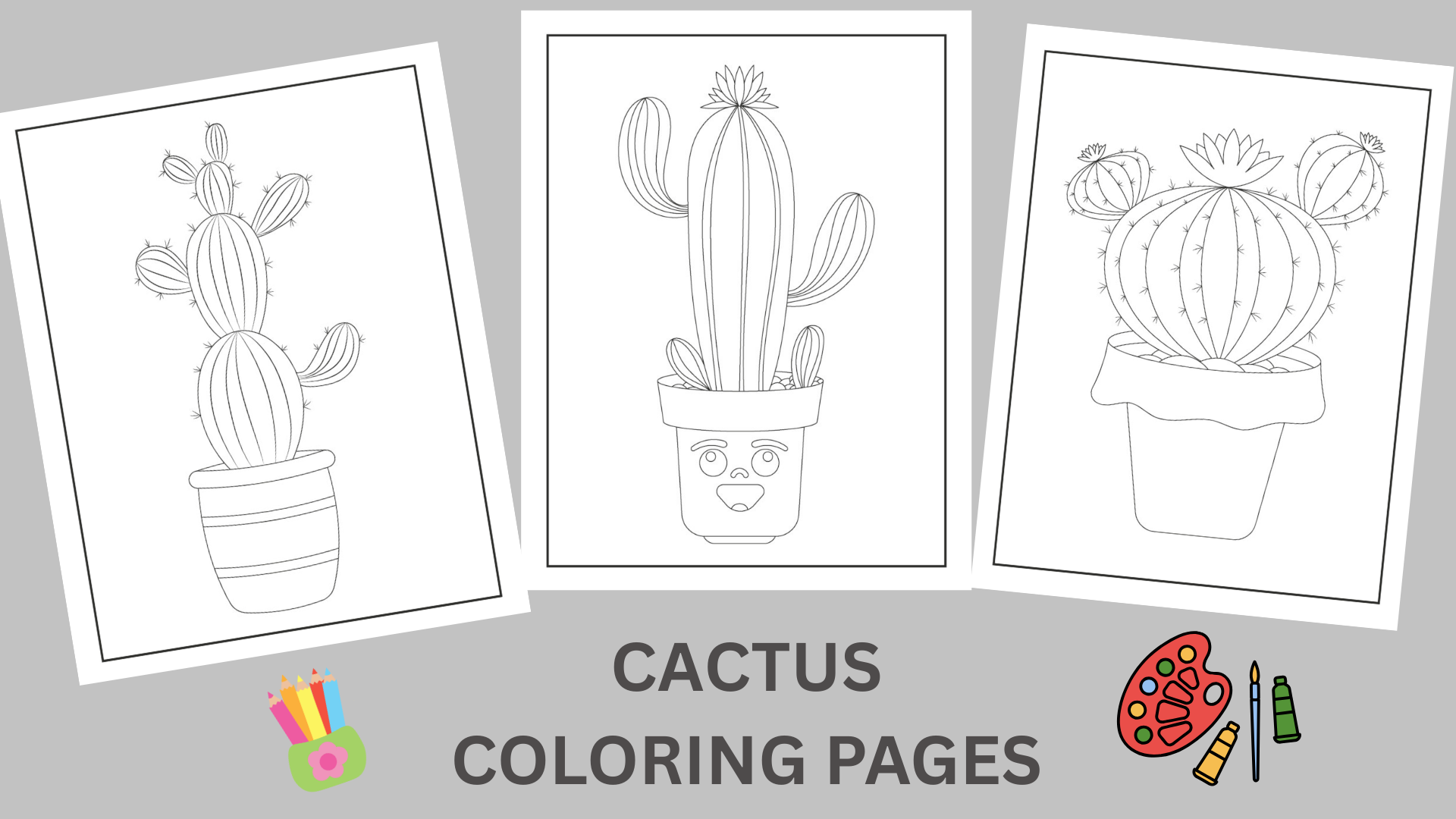
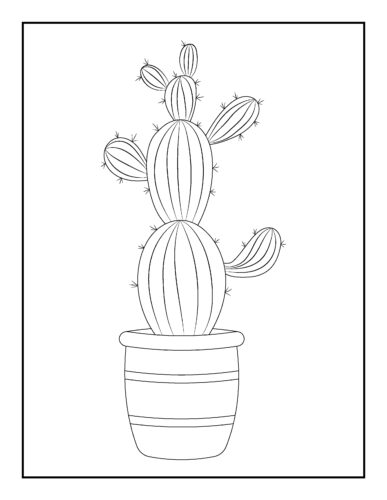
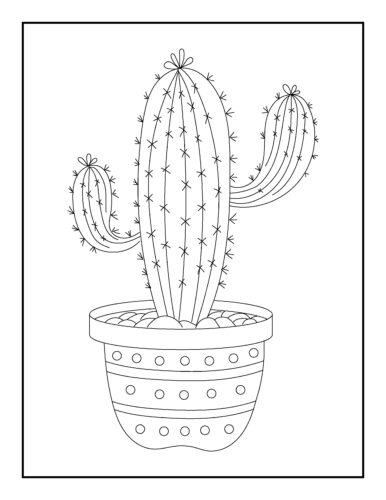
Kids choose cactus coloring pages when they want plants that look different. The spiky shapes and desert scenes make good coloring subjects. Children from three to twelve years old work on these desert plants. Simple round and tall shapes help young kids practice basic forms. Older kids work on spines, flowers, and desert backgrounds.
Benefits of Cactus Coloring Activities
Cacti look cool because they grow where other plants die. Children build hand control when they draw small spines and prickly parts. Different cactus shapes teach kids about plant types. Kids learn about deserts and saving water while they color.
Cactus coloring pages cost little money but keep kids busy for hours. Green crayons work with any supplies parents have. Desert themes work for different ages. Toddlers practice circles. Older children add desert scenes with rocks, mountains, and lizards.
How to Get Started
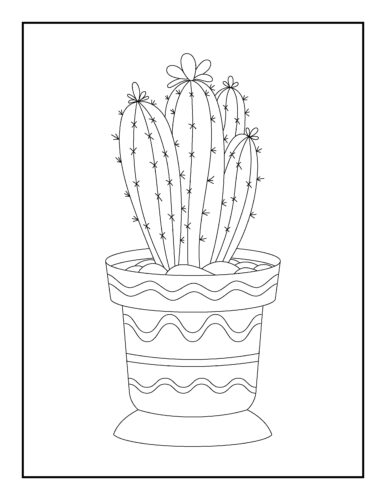
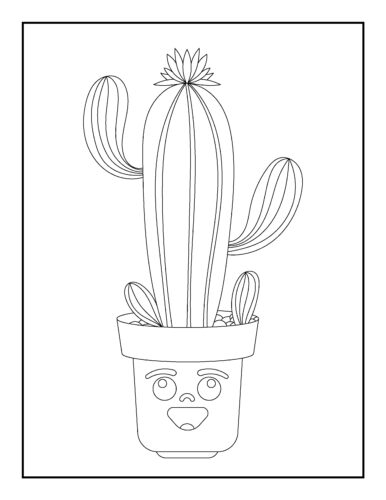
To download any of the printables below is as easy as 1-2-3:
- Download: Choose the printable design that resonates with you. Click on the image.
- Print: The PDF file will automatically open. Print the PDF file on your printer.
- Start creating and/or using the PDF printable. Enjoy! Each PDF download is created for standard US letter size; however, they also fit perfectly onto A4 paper sizes.
Let’s start coloring!
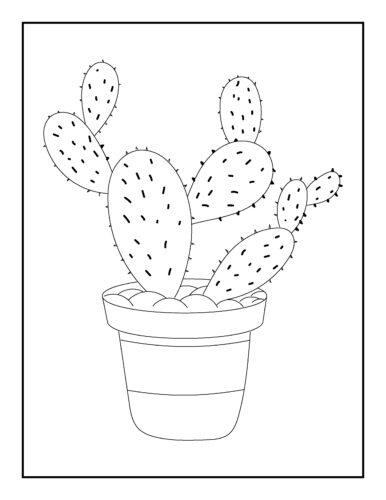
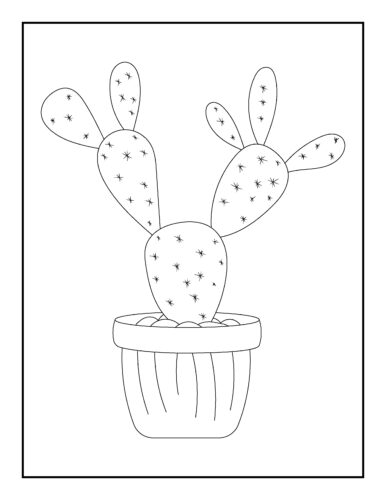
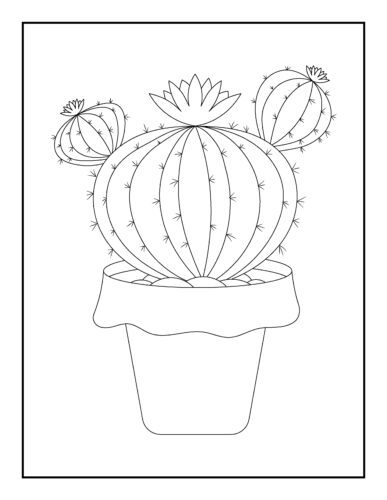
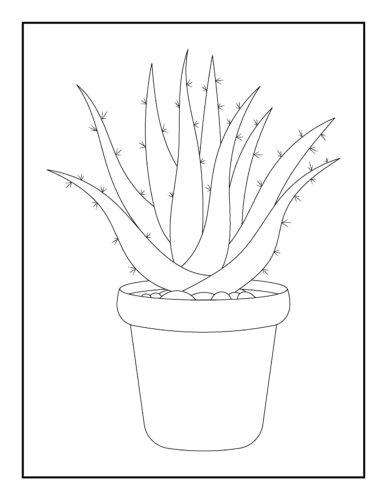
Before you go, grab our cute Flowers and Plants coloring pages!
Creative Uses for Cactus Coloring Pages
Party Station Setup
Cactus coloring pages work at western birthday parties. Put green crayons and markers on one table. Add brown supplies for desert ground. Kids color cacti between games or during snack breaks. They take finished pictures home. This keeps children calm when parties get loud or busy.
Parents make group desert scenes at smaller parties. Each child colors one cactus. Then they tape all the cacti onto big paper to make one desert picture. This group work helps kids make friends and cooperate on projects.
Classroom Learning
Science teachers give out cactus coloring pages during plant lessons. Students learn how plants change to survive while they color thick stems and spines. Geography classes use them when studying the Southwest or Mexico. Biology lessons discuss water storage while kids work on their pictures.
Teachers pair cactus coloring with books about desert animals and weather. Kids learn that cacti store water in thick stems. Spines protect them from animals. Some teachers have students look up real cactus types. Then kids color pages that match barrel cacti or prickly pears.
Home Craft Projects
Cactus coloring pages become other projects. Cut out finished cacti and glue them to paper for desert scenes. Frame completed pages for southwestern wall art. Fold colored pages to make greeting cards for plant lovers.
Tape cactus pictures to windows. Sunlight makes the green colors look bright and creates shadows. Use finished cacti as patterns for clay work or fabric art. The simple shapes work for beginner pottery or felt crafts. Some kids make whole desert scenes using their colored cacti as starting points.
Family Activities
Parents and kids color cactus pages together during quiet time. Adults like the plant subject and desert themes. Grandparents find cactus pages easy to color during visits. The basic shapes feel comfortable. Everyone works at their own speed. No pressure exists.
Rainy days become better with cactus coloring and desert music. Kids share cactus facts while they color. This creates learning talks between family members. Some families look up real cactus information together while they work on their pages.
Artistic Freedom
Cactus coloring pages do not need to stay green. Kids make rainbow cacti or purple ones with pink spines. Some add stripes or dots to cactus bodies. Others draw desert backgrounds with sunset skies, rocks, or desert animals. This freedom builds art confidence and personal style.
Older kids research real cactus types and try to make their pictures look real with correct spine patterns and flower colors. Younger children add faces to cacti or draw cowboy hats on them. Both ways help develop creative thinking and personal expression skills.
Theme Activities
Cactus coloring pages fit school activities during the year. Earth Day lessons use them when talking about plants that survive hard conditions. Geography units about the Southwest include them during desert studies. Science fairs use cactus projects where coloring pages help explain how plants adapt.
Art helpers use cactus coloring because the steady work of coloring spines helps worried children focus. The strong plant image can represent survival, which helps kids deal with hard feelings in good ways.
Smart Coloring Tips
Start with basic cactus shapes before trying desert landscapes. Green crayons or markers work best for plant bodies. Brown and tan colors help make desert ground and rocks look real. Regular supplies do the job without special materials.
Keep finished cactus pages flat in folders so they stay nice. Play western music or nature sounds while coloring to make a desert feeling. Share cactus facts to keep kids interested. Talk about how cacti live without much water and why they have spines instead of leaves.
Remember that cactus coloring pages work for any skill level when you pick the right complexity. Simple outline cacti work for beginners. Desert scenes with details challenge advanced colorers.
Printable Cactus coloring pages balance simple shapes with interesting parts. These desert plants provide subjects that teach about plant survival while building coloring skills. Whether used for parties, school, or family time, cactus coloring pages give both fun and learning value that keeps children interested in nature.